
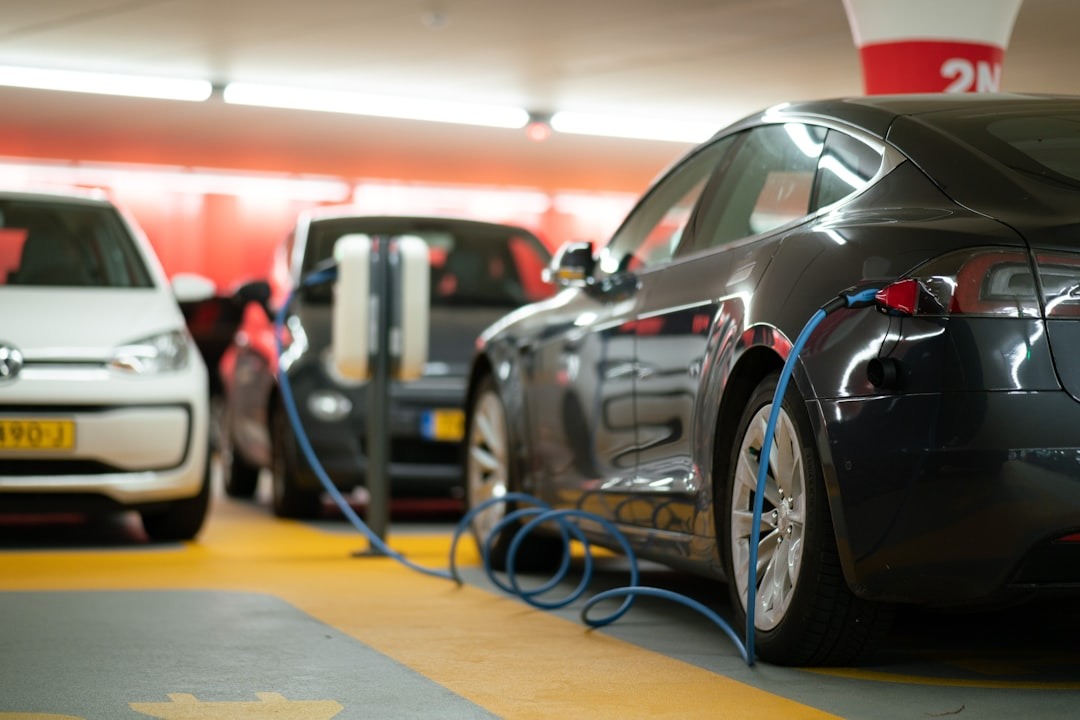
The EV Revolution Is Just Getting Started
The electric vehicle (EV) industry is undergoing a massive transformation. With governments pushing for carbon neutrality, automakers shifting away from internal combustion engines (ICEs), and battery technology evolving rapidly, EVs are no longer just an alternative—they are the future of transportation.
However, one major roadblock remains: battery technology. While lithium-ion (Li-ion) batteries have powered the EV boom so far, they come with limitations, including long charging times, limited range, safety risks, and resource constraints.
Enter solid-state batteries (SSBs)—a game-changing innovation that could redefine the EV industry. But is this the ultimate breakthrough, or is there more to the future of EVs? Let’s explore solid-state batteries, alternative energy sources, and what’s next for EVs beyond 2025.
1. The Limitations of Lithium-Ion Batteries
Lithium-ion batteries (Li-ion) have been the backbone of EVs, but they come with several challenges:
✅ Limited Energy Density: Li-ion batteries have a restricted range, requiring larger, heavier battery packs for longer distances.
✅ Slow Charging Times: Fast charging degrades battery life and increases heat generation risks.
✅ Fire & Safety Concerns: Li-ion batteries contain liquid electrolytes that are highly flammable, increasing the risk of thermal runaway (fires and explosions).
✅ Resource Dependency: They rely on lithium, cobalt, and nickel, which are expensive and subject to geopolitical supply chain issues.
🔗 Read more about lithium-ion battery challenges
These limitations have driven researchers toward next-generation battery solutions—the most promising being solid-state batteries.
2. Solid-State Batteries: The Future of EV Power
🔋 What Are Solid-State Batteries?
Unlike traditional lithium-ion batteries, solid-state batteries (SSBs) replace the liquid electrolyte with a solid-state electrolyte. This fundamental change eliminates many safety risks while boosting energy density and efficiency.
🚀 Key Advantages of Solid-State Batteries
✅ Higher Energy Density: Solid-state batteries can store 2-3x more energy, enabling longer EV range without increasing battery size.
✅ Faster Charging: SSBs allow for ultra-fast charging times—potentially under 15 minutes for a full charge.
✅ Improved Safety: The absence of liquid electrolytes eliminates fire hazards and improves durability.
✅ Longer Lifespan: SSBs experience less degradation, meaning EVs can last longer with fewer battery replacements.
✅ Lighter Weight: By storing more power in smaller, lighter packs, SSBs can improve EV efficiency and performance.
📌 Example: Toyota claims its solid-state battery EV will hit the market by 2027, offering a 745-mile range and 10-minute charge time.
🔗 Toyota’s solid-state battery roadmap
3. Challenges & Roadblocks for Solid-State Batteries
Despite the immense promise of SSBs, several challenges remain:
❌ High Production Costs: Solid-state batteries are currently 5-10 times more expensive than lithium-ion batteries.
❌ Manufacturing Scalability: Producing SSBs at scale requires new infrastructure and supply chains, thus delaying mass adoption.
❌ Durability Issues: Some solid-state electrolytes experience cracking and degradation over time, which leads to reducing long-term performance.
🔗 Read more on battery production challenges
While companies like QuantumScape, Toyota, and Samsung are making breakthroughs, widespread adoption is still a few years away. So, what comes next?
4. Beyond Solid-State: The Next-Gen EV Battery Innovations
While solid-state batteries are a major leap forward, other cutting-edge energy storage solutions are pushing the boundaries even further.
🔋 1. Lithium-Air Batteries (Li-Air)
✅ 10X energy density of Li-ion
✅ Potential for 1,000+ miles of EV range
✅ Uses oxygen from the air instead of heavy metals
📌 Example: IBM is developing lithium-air batteries that could rival gasoline engines in energy efficiency.
⚡ 2. Sodium-Ion Batteries (Na-ion)
✅ Uses sodium instead of lithium (cheaper and more abundant)
✅ More eco-friendly with easier recycling
✅ Performs well in cold temperatures
📌 Example: CATL, the world’s largest battery maker, is mass-producing sodium-ion batteries for EVs starting in 2025.
🔆 3. Hydrogen Fuel Cells
✅ Generates power through hydrogen and oxygen reaction
✅ Zero emissions, only water vapor as a byproduct
✅ Faster refueling than batteries (3-5 minutes)
📌 Example: Hyundai and Toyota are already developing hydrogen fuel cell EVs (FCEVs) as an alternative to battery EVs.
🔗 Explore Toyota’s hydrogen EV vision
5. What’s Next for EVs? The Future Beyond 2025
With solid-state batteries, sodium-ion alternatives, and hydrogen fuel cells on the horizon, the EV industry is headed for a massive transformation. But what else will shape the future?
🚀 Wireless Charging Highways: Roads embedded with inductive charging tech could charge EVs as they drive.
🚀 Battery Swapping Stations: Companies like NIO are pioneering battery swapping, allowing drivers to replace drained batteries in minutes.
🚀 Recyclable & Sustainable Batteries: Future batteries will be made with fully recyclable and non-toxic materials, reducing environmental impact.
🚀 Self-Healing Batteries: Some researchers are working on batteries that can repair themselves, increasing longevity and reducing waste.
🔗 Read about the future of EV infrastructure
A New Era for Electric Vehicles
Lastly, Solid-state batteries are set to revolutionize the EV industry, offering longer range, faster charging, and improved safety. However, cost and scalability issues mean that alternatives like sodium-ion, lithium-air, and hydrogen fuel cells could also play a key role.
The road ahead:
✅ Solid-state batteries will hit mass production by 2027-2030
✅ Sodium-ion and lithium-air batteries could emerge as cost-effective options
✅ Hydrogen fuel cell vehicles (FCEVs) may coexist with battery EVs
✅ EV charging infrastructure will see wireless roads and battery swapping
The future of EVs is not just about going electric—it’s about pushing the boundaries of technology, sustainability, and energy efficiency.
💬 What do you think is the future of EV batteries? Are you excited about solid-state batteries, or do you think hydrogen fuel cells will take over? Share your thoughts in the comments below!


Leave a Reply