
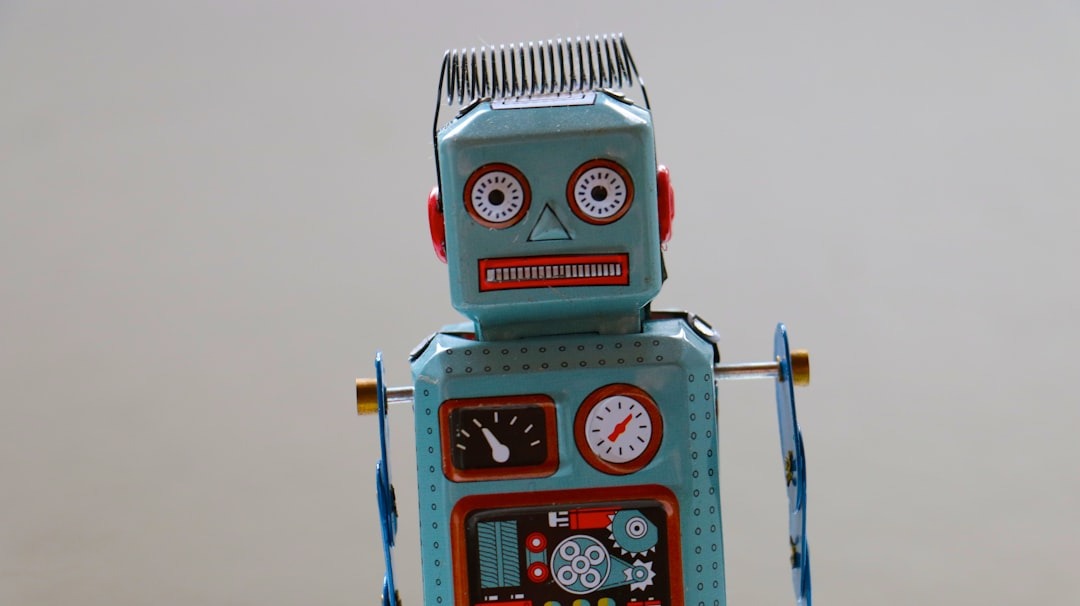
The Rise of Human-Robot Interactions
We are living in an era where robots and artificial intelligence (AI) are no longer confined to science fiction. From social robots like Pepper to AI-driven customer service agents and autonomous vehicles, robots are increasingly becoming a part of our daily lives. But as machines become smarter and more integrated into society, the lines between human and robot interactions blur, thus, giving rise to complex ethical dilemmas.
How should we treat robots? Should robots have rights? Can AI make moral decisions? These are just a few of the profound questions we face as we navigate the evolving landscape of human-robot interactions (HRI).
1. The Spectrum of Human-Robot Interactions
Human-robot interactions occur across various domains:
- 🤖 Companion Robots: Social robots like Jibo and Paro provide companionship to the elderly and children.
- 🚗 Autonomous Vehicles: Self-driving cars must make ethical decisions during complex driving scenarios.
- 🏥 Healthcare Robots: AI-powered surgical robots and caregiving bots assist in medical procedures and patient care.
- 🏢 Service Robots: Robots in customer service roles, like chatbots and delivery drones, interact with users daily.
While these robots enhance convenience and efficiency, they also pose ethical challenges regarding privacy, safety, and human well-being.
2. Ethical Dilemmas in Human-Robot Interactions
⚖️ a. The Moral Agency of Robots
Can robots make ethical decisions?
Autonomous robots, like self-driving cars, often face moral dilemmas. Consider the classic “trolley problem”—should an autonomous vehicle swerve to avoid hitting pedestrians if it means harming its passenger?
- 🟢 Pros: AI can be programmed to minimize harm based on utilitarian ethics.
- 🔴 Cons: Ethical decision-making is subjective, and AI lacks true understanding or empathy.
📌 Example: In 2016, the MIT Moral Machine project crowdsourced ethical decisions for autonomous vehicles, revealing cultural differences in moral choices.
👁️ b. Privacy and Data Security
Many robots rely on sensors, cameras, and microphones to interact with humans. This raises significant privacy concerns:
- 🤖 Home Assistants: Devices like Amazon Echo and Google Home constantly listen for commands, creating potential data breaches.
- 🏥 Healthcare Robots: Patient data collected by caregiving robots must comply with strict privacy laws like HIPAA.
🔐 The Ethical Dilemma: How do we balance the need for data collection with individuals’ rights to privacy?
🧠 c. Emotional Manipulation and Attachment
Humans are wired to form emotional bonds—even with machines. But is it ethical for robots to mimic emotions?
- 👴 Elderly Care Robots: Studies show that older adults often form emotional attachments to companion robots, potentially leading to emotional dependency.
- 👶 Children’s Toys: Robots like Cozmo and Anki Vector are designed to elicit emotional responses from children.
📌 The Ethical Dilemma: Is it right to design robots that exploit human emotions, especially among vulnerable populations?
💼 d. Job Displacement and Economic Inequality
As robots take over roles in manufacturing, logistics, and even creative fields, there’s growing concern about job displacement:
- 🏭 Automation: AI-driven robots are replacing factory workers at unprecedented rates.
- 🛍️ Retail & Service: Self-checkout kiosks and delivery drones reduce the need for human staff.
📌 The Ethical Dilemma: How do we ensure economic fairness while embracing robotic automation?
⚔️ e. Military and Surveillance Robots
The development of autonomous weapons and surveillance drones presents one of the most controversial ethical challenges:
- 🛡️ Killer Robots: AI-powered drones and autonomous tanks can engage in combat without human oversight.
- 🎥 Mass Surveillance: Governments use AI-driven drones for surveillance, raising concerns over civil liberties.
📌 The Ethical Dilemma: Should robots be allowed to make life-and-death decisions without human intervention?
🔗 Read more on AI ethics in warfare
3. Legal and Social Implications
👨⚖️ a. Robot Rights and Legal Personhood
Should robots have rights? While it may sound far-fetched, some argue that as robots become more advanced, they deserve certain legal protections.
- 🟢 Proponents: Advanced robots with AI consciousness might warrant legal personhood.
- 🔴 Opponents: Granting rights to machines could undermine human rights and accountability.
📌 Example: In 2017, Saudi Arabia granted citizenship to Sophia the Robot, sparking global debate.
🧑⚖️ b. Accountability and Liability
When a robot malfunctions, who’s responsible?
- Manufacturer?
- Programmer?
- User?
📌 Example: After a fatal crash involving an autonomous Uber vehicle in 2018, questions about legal liability became front and center.
🔗 Explore legal debates on AI liability
4. Guidelines and Ethical Frameworks
Several organizations are developing ethical guidelines for human-robot interactions:
- 🤖 IEEE’s Ethically Aligned Design: Focuses on creating AI systems that prioritize human well-being.
- 🏛️ EU’s AI Act: Aims to regulate high-risk AI applications, including autonomous robots.
- 🧠 Asilomar AI Principles: A set of 23 principles for safe and ethical AI development.
🔗 Read the Asilomar AI Principles
5. The Future of Ethical Human-Robot Interactions
As robots become more integrated into our lives, ethical frameworks must evolve:
- ✅ Transparent Algorithms: Users should understand how robots make decisions.
- ✅ Human-in-the-Loop Systems: Critical decisions should always involve human oversight.
- ✅ Emotional Boundaries: Design robots that respect emotional boundaries and avoid manipulation.
- ✅ Job Transition Programs: As automation rises, governments and companies must invest in reskilling programs.
The future of human-robot interactions hinges on responsible development—where technology enhances human life without compromising ethics.
Striking the Right Balance
Lastly, as robots become more advanced, the ethical dilemmas they present will only grow. By focusing on transparency, accountability, and human well-being, we can create a world where humans and robots coexist ethically and harmoniously.
💬 What are your thoughts on robots in our daily lives? Should robots have rights? Share your opinions in the comments below! Read More.

Leave a Reply