
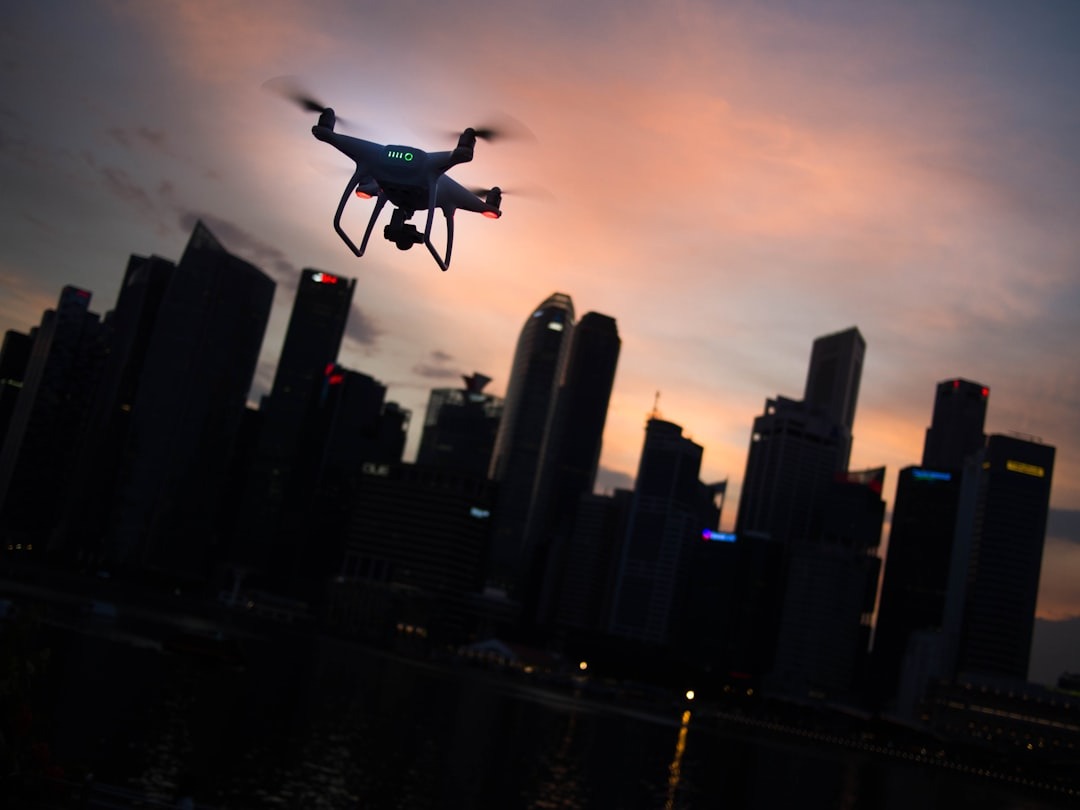
Autonomous drones have moved far beyond package delivery and security surveillance. Thanks to AI, computer vision, and real-time data analytics, they are now revolutionizing agriculture, disaster response, environmental monitoring, and industrial inspections.
Moreso, industries seek cost-effective, efficient solutions, drones powered by edge computing, 5G, and machine learning are filling the gaps. But what are the real-world applications beyond delivery?
Let’s explore how autonomous drones are reshaping key industries and what the future holds.
1. Agriculture: Precision Farming with AI-Powered Drones
The agricultural sector is undergoing a technological revolution, and drones are at the heart of precision farming.
🌾 Crop Health Monitoring: Well equipped with multispectral imaging, drones detect disease outbreaks, nutrient deficiencies, and irrigation issues before they escalate.
💧 Automated Spraying: AI-powered drones precisely distribute pesticides and fertilizers, which leads to reduction in chemical waste and environmental impact.
🚜 Livestock Tracking: Farmers use drones to monitor herd movements and detect injured or stray animals, thus improving efficiency and productivity.
➡️ Further Reading: How AI is revolutionizing agriculture
2. Disaster Response & Emergency Rescue
It is essential to understand that during natural disasters, speed is critical. Autonomous drones provide real-time intelligence, thereby allowing emergency teams to respond faster and more effectively.
🔥 Wildfire Monitoring: Thermal imaging drones detect fire hotspots, helping firefighters strategically combat wildfires.
🏥 Medical Supply Drops: In remote or war-torn areas, drones deliver life-saving medicine, blood, and vaccines where traditional transport fails.
⏳ Search & Rescue Missions: AI-driven drones use facial recognition to locate missing persons, even in low-visibility conditions.
🌍 External Source: How drones are revolutionizing disaster response
3. Infrastructure & Industrial Inspections
Routine inspections for bridges, power lines, oil rigs, and pipelines are often dangerous and time-consuming. Autonomous drones reduce costs and enhance safety.
🏗️ Construction Monitoring: Drones create 3D site maps and track progress in real-time, minimizing delays and budget overruns.
⚡ Energy Sector Inspections: AI-driven drones detect power line faults and pipeline leaks, reducing human risk and downtime.
🏢 Smart Cities: Governments use drones for traffic flow analysis, air pollution monitoring, and urban planning.
💡 Must Read: The role of drones in smart city development
4. Environmental Conservation & Wildlife Protection
Drones are proving indispensable for environmentalists and conservationists battling climate change and illegal poaching.
🦏 Anti-Poaching Surveillance: AI-powered drones track endangered species and detect poachers in real time.
🌳 Forest Conservation: Drones map deforestation areas and help in tree-planting missions.
🌊 Ocean Monitoring: Marine drones track illegal fishing, oil spills, and coral reef health.
🔗 Further Reading: How technology is protecting wildlife
5. Entertainment & Sports: Aerial Filming & Smart Stadiums
The entertainment industry is leveraging autonomous drones for next-gen experiences in filmmaking, live sports broadcasting, and even drone racing.
🎥 Cinematic Excellence: AI-driven drones capture dynamic action scenes previously impossible with traditional cameras.
⚽ Smart Stadiums: Drones provide real-time aerial views, enhancing fan experiences and security monitoring.
🏎️ Drone Racing: Competitive drone racing leagues, like the Drone Racing League (DRL), are gaining global popularity.
📺 Explore More: The rise of drone technology in filmmaking
6. Defense & Border Security: A Game-Changer in Military Strategy
Governments worldwide are investing in autonomous drone fleets for border patrol, surveillance, and unmanned aerial combat.
🛰️ AI-Driven Reconnaissance: Military drones gather real-time intelligence without risking human lives.
⚔️ Autonomous Combat Drones: Nations are developing self-piloting drones for air support in combat zones.
🚧 Border Control: Drones equipped with infrared cameras detect illegal crossings and smuggling operations.
➡️ Read More: How AI-powered drones are transforming defense
Challenges & Ethical Considerations
Despite their benefits, autonomous drones pose ethical and regulatory challenges:
🔹 Privacy Concerns: Widespread drone use raises questions about surveillance ethics and data security.
🔹 Airspace Regulations: Governments are working on stricter drone laws to prevent mid-air collisions and misuse.
🔹 AI Bias & Decision-Making: Autonomous drones rely on machine learning, which can introduce biases or unpredictable behavior.
🌍 External Source: FAA’s latest drone regulations
The Expanding Role of Autonomous Drones
Autonomous drones are evolving beyond delivery and surveillance, shaping the future of agriculture, disaster response, industrial inspections, and even entertainment.
Lastly, By 2025, as AI and 5G integration advance, drones will become even more autonomous, efficient, and versatile. Businesses, governments, and innovators must embrace this transformation while ensuring responsible deployment.
Will your industry harness the power of drone technology, or will it be left behind?
🔗 Explore More:

Leave a Reply