
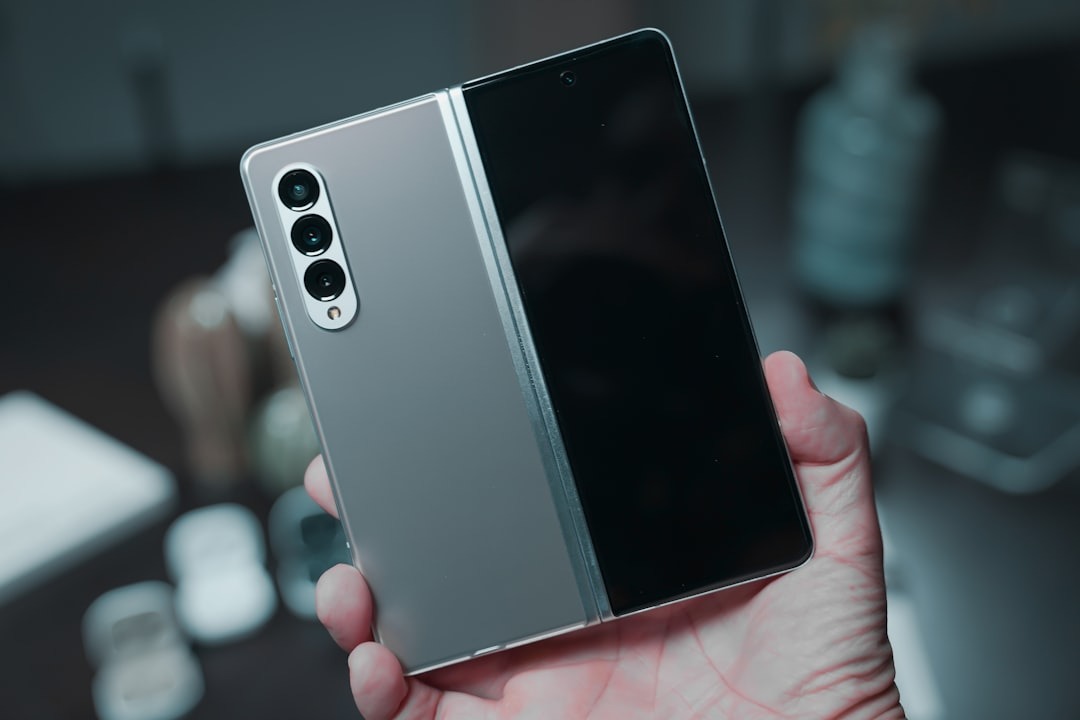
The Rise of Foldable Smartphones
In the past decade, the smartphone industry has seen incredible advancements—from bezel-less displays to 5G connectivity. However, one of the most intriguing innovations is foldable smartphones. Once thought to be a futuristic concept, these devices are now a reality, ultimately, offering larger screens in compact form factors.
But are foldable smartphones the future, or just a passing trend? In this blog story, we’ll explore the technology behind foldable phones, their advantages, challenges, market adoption, and what’s next for the industry.
1. The Evolution of Foldable Smartphones
While the idea of a flexible display has been around for years, it wasn’t until 2019 that the first wave of commercial foldable smartphones hit the market. Leading manufacturers like Samsung, Huawei, and Motorola have since refined the technology.
📌 Key Milestones in Foldable Smartphone Development
🔹 2013 – Samsung showcases a flexible OLED prototype.
🔹 2019 – Samsung releases the Galaxy Fold, the first mainstream foldable phone.
🔹 2020-2023 – Motorola revives the Razr, and other brands like Oppo, Xiaomi, and Google enter the foldable market.
🔹 2024+ – Foldables become more durable, with better hinge mechanisms and improved crease-free displays.
🔗 Learn more about Samsung’s foldable journey
2. How Foldable Smartphones Work: The Technology Behind Them
Moreso, Foldable smartphones use advanced OLED technology that allows displays to bend without breaking. Unlike traditional glass screens, these displays are made from ultra-thin glass (UTG) and polymer layers that can flex repeatedly.
⚙️ Key Components of Foldable Phones
✅ Flexible OLED Display: Made of plastic or ultra-thin glass that bends without shattering.
✅ Hinge Mechanism: A sophisticated hinge design ensures smooth folding and durability.
✅ Reinforced Chassis: The phone’s body is designed to withstand repeated folding cycles.
✅ Multi-Mode Functionality: Supports tablet mode, laptop-style mode, and traditional smartphone mode.
📌 Example: The Samsung Galaxy Z Fold 5 can seamlessly transition from a phone to a tablet, enhancing productivity and multitasking.
🔗 Explore how foldable OLED displays work
3. Benefits of Foldable Smartphones
Foldable devices offer several advantages over traditional smartphones:
📱 1. Larger Screens Without Bulk
Furthermore, one of the biggest selling points of foldable smartphones is their ability to offer tablet-sized screens while remaining compact. This is especially useful for:
✅ Multitasking & Productivity – Split-screen features allow users to run multiple apps simultaneously.
✅ Gaming & Media Consumption – A bigger display enhances the gaming and streaming experience.
📌 Example: The Samsung Galaxy Z Fold series enables users to open three apps at once, improving efficiency.
🎨 2. Innovation in Design & User Experience
Foldable phones introduce new ways to interact with devices, such as:
✅ Flex Mode: Enables hands-free video calls by partially folding the phone.
✅ Dual-Screen Functionality: Some models allow the outer and inner displays to be used independently or together.
📌 Example: The Motorola Razr+ features a fully functional outer display for quick notifications and calls.
🔗 Discover how foldables are changing user experiences
🔋 3. A Step Toward the Future of Mobile Computing
Foldable devices blur the line between smartphones, tablets, and even laptops, paving the way for:
✅ AI-driven features that adapt screen layouts dynamically.
✅ Integration with smart accessories like styluses and external keyboards.
✅ Foldable laptop hybrids that redefine portable computing.
📌 Example: Microsoft experimented with the Surface Duo, a foldable Android device bridging smartphones and tablets.
4. Challenges & Limitations of Foldable Smartphones
Despite their advantages, foldable phones still face several hurdles before becoming mainstream.
💸 1. High Price Tags
Foldable phones are significantly more expensive than traditional smartphones, making them less accessible to average consumers.
📌 Example: The Samsung Galaxy Z Fold 5 launched at $1,799, compared to a regular flagship like the iPhone 15 Pro ($999).
🔗 Explore the cost challenges of foldable phones
🔧 2. Durability Concerns
Early foldable devices suffered from screen creases, hinge failures, and dust accumulation. Although manufacturers have improved durability, these issues still exist.
✅ Current solutions:
- Samsung Ultra-Thin Glass (UTG) for increased strength.
- Improved hinge mechanisms tested for 200,000+ folds.
📌 Example: The Google Pixel Fold features a water-resistant hinge, addressing one of the biggest concerns in foldable phone longevity.
🔋 3. Battery Life & Software Optimisation
Larger, high-refresh-rate screens consume more battery, making battery life a major concern. Additionally, not all apps are optimised for foldable displays.
✅ Ongoing improvements:
- Bigger batteries & faster charging
- Optimised UI for foldables (e.g., Android 14’s foldable support)
📌 Example: Google is working on Android’s native foldable UI, making it easier for developers to create optimised apps.
🔗 Check out Google’s foldable-friendly UI updates
5. Market Adoption & Consumer Trends
While foldable phones remain a niche product, adoption is steadily growing.
📊 Foldable Smartphone Market Growth
🔹 2022: 14.2 million foldable phones shipped worldwide.
🔹 2023: 18 million units, with Samsung leading the market.
🔹 2026: Analysts predict 50+ million foldables will be in use.
📌 Leading brands in the foldable space:
✅ Samsung (Galaxy Z Fold, Flip series)
✅ Google (Pixel Fold)
✅ Motorola (Razr series)
✅ Huawei & Xiaomi (Mate X series, Mi Mix Fold)
🔗 Check out the latest foldable phone sales data
6. The Future of Foldable Smartphones: What’s Next?
As technology advances, foldable smartphones are expected to become more affordable, durable, and versatile. Here’s what we can expect:
🚀 1. Rollable & Stretchable Displays – Companies like LG and Oppo are working on rollable smartphones that can expand seamlessly.
🚀 2. More Affordable Models – As production costs drop, foldables will become accessible to a wider audience.
🚀 3. AI-Enhanced Experiences – AI will dynamically adapt UIs, making foldables more intuitive and efficient.
📌 Example: Samsung is working on triple-folding devices that transform from phone to tablet to laptop.
🔗 Explore Samsung’s next-gen foldables
Are Foldable Smartphones the Future?
Lastly, foldable smartphones represent a major leap in mobile technology, offering versatility, innovation, and an enhanced user experience. However, widespread adoption will depend on:
✅ Lower prices
✅ Increased durability
✅ Improved battery life & software optimization
While foldable phones aren’t replacing traditional smartphones just yet, they are indeed a stepping stone toward a more flexible and futuristic mobile experience.
💬 What do you think? Would you switch to a foldable phone, or do you prefer traditional designs? Share your thoughts below!


Leave a Reply