
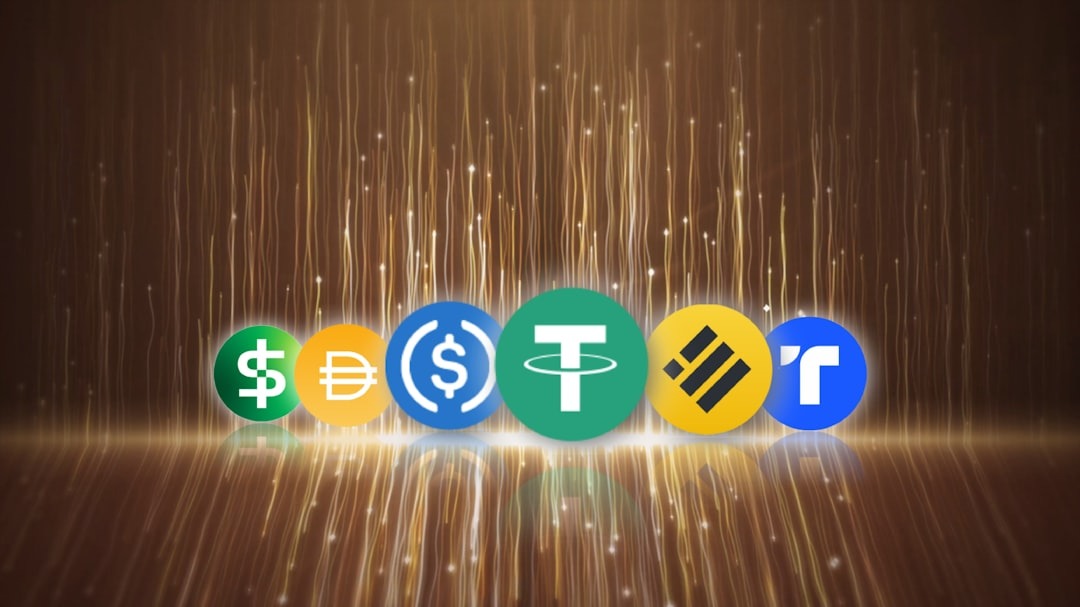
Sending money across borders has long been slow, expensive, and frustrating. But in 2026, a new financial layer is changing everything—stablecoins.
Designed to maintain a stable value by pegging to fiat currencies like the US dollar, stablecoins are rapidly becoming the backbone of faster, cheaper, and more accessible global payments.
From freelancers in Lagos to enterprises in New York, the way money moves is being redefined—quietly but powerfully.
Key Highlights
- Stablecoins are transforming cross-border payments
- Transaction costs are significantly lower than those of traditional systems
- Businesses are adopting stablecoins for instant settlements
- Regulatory frameworks are shaping their global expansion
- Emerging markets are driving real-world usage
What Are Stablecoins and Why They Matter
Stablecoins are cryptocurrencies designed to maintain a stable value, usually pegged 1:1 to a fiat currency like the US dollar.
Unlike volatile cryptocurrencies, stablecoins offer:
- Price stability
- Fast transaction speeds
- Lower fees
- Borderless access
This makes them ideal for payments, remittances, and financial inclusion—especially in regions where traditional banking is limited.
Cross-Border Payments: Faster, Cheaper, Smarter
Traditional international transfers can take days and involve multiple intermediaries, each adding fees.
Stablecoins eliminate many of these inefficiencies:
- Transactions settle in minutes (or seconds)
- Fees are drastically reduced
- No need for correspondent banks
For example, a business can send payments globally without relying on complex banking networks—saving both time and money.
Financial Inclusion in Emerging Markets
In regions like Africa, stablecoins are solving real financial challenges.
Millions of people remain unbanked or underbanked, but with just a smartphone and internet access, users can:
- Store value securely
- Send and receive payments globally
- Access digital financial services
For freelancers, remote workers, and small businesses, stablecoins are becoming a lifeline for participating in the global economy.
Business Adoption: From Experiment to Infrastructure
What started as an experiment is now becoming core financial infrastructure. Companies are leveraging stablecoins for:
- Payroll for international teams
- Supplier payments
- Treasury management
- E-commerce transactions
Instant settlement and transparency give businesses a competitive edge—especially in global operations. Read More
The Role of Regulation in 2026
As adoption grows, governments are stepping in to regulate stablecoins.
Key focus areas include:
- Reserve backing and transparency
- Consumer protection
- Licensing of issuers
- Integration with traditional financial systems
Rather than slowing growth, regulation is building trust and encouraging institutional participation.
Challenges and Risks
Despite their advantages, stablecoins are not without challenges:
- Regulatory uncertainty in some regions
- Dependence on underlying reserves
- Risks of de-pegging
- Security concerns in digital wallets
Addressing these risks is critical for long-term sustainability.
Key Takeaways
- Stablecoins are revolutionising global payments
- They offer speed, cost efficiency, and accessibility
- Emerging markets are leading the adoption
- Regulation is shaping their future growth
- They are becoming an essential part of the financial infrastructure
Conclusion
Stablecoins are no longer just a niche crypto innovation—they are transforming how money moves globally.
As technology matures and regulations evolve, stablecoins are set to become a central pillar of the financial system—bridging the gap between traditional banking and the digital economy.
👉 The future of payments isn’t just digital—it’s stable, instant, and borderless. Here
Call to Action
Do you think stablecoins will replace traditional payment systems?
👉 Share your thoughts in the comments
👉 Spread the word by sharing this article
👉 Follow TechBroNews for more fintech insights

Blog
This section provides an overview of the blog, showcasing a variety of articles, insights, and resources to inform and inspire readers.
-
 Autonomous Agents, blockchain, Data, Digital Accessibility, digital transformation, Open Source, Programming, Stablecoins, Supply chain, technews, Tokenization
Future of Digital Finance in 2026
The future of digital finance is unfolding faster than many expected. Artificial intelligence is changing how banks detect fraud. Stablecoins are speeding up international payments. Meanwhile, blockchain is improving transparency across financial…
-
 5G, blockchain, Business, Governments, Machine Learning, Stablecoins, Supply chain, Technology, Tokenization, web3
How Stablecoins Challenge Traditional Banking
Stablecoins are challenging traditional banking in ways that would have seemed unlikely just a few years ago. What began as a tool for cryptocurrency traders has evolved into a fast-growing payment network…
-

Web3 Beyond Crypto: Practical Uses in 2026
Web3 Beyond Crypto is no longer just an industry slogan. In 2026, businesses, governments, and developers are using Web3 technologies to solve practical problems that have little to do with buying or…

Leave a Reply