
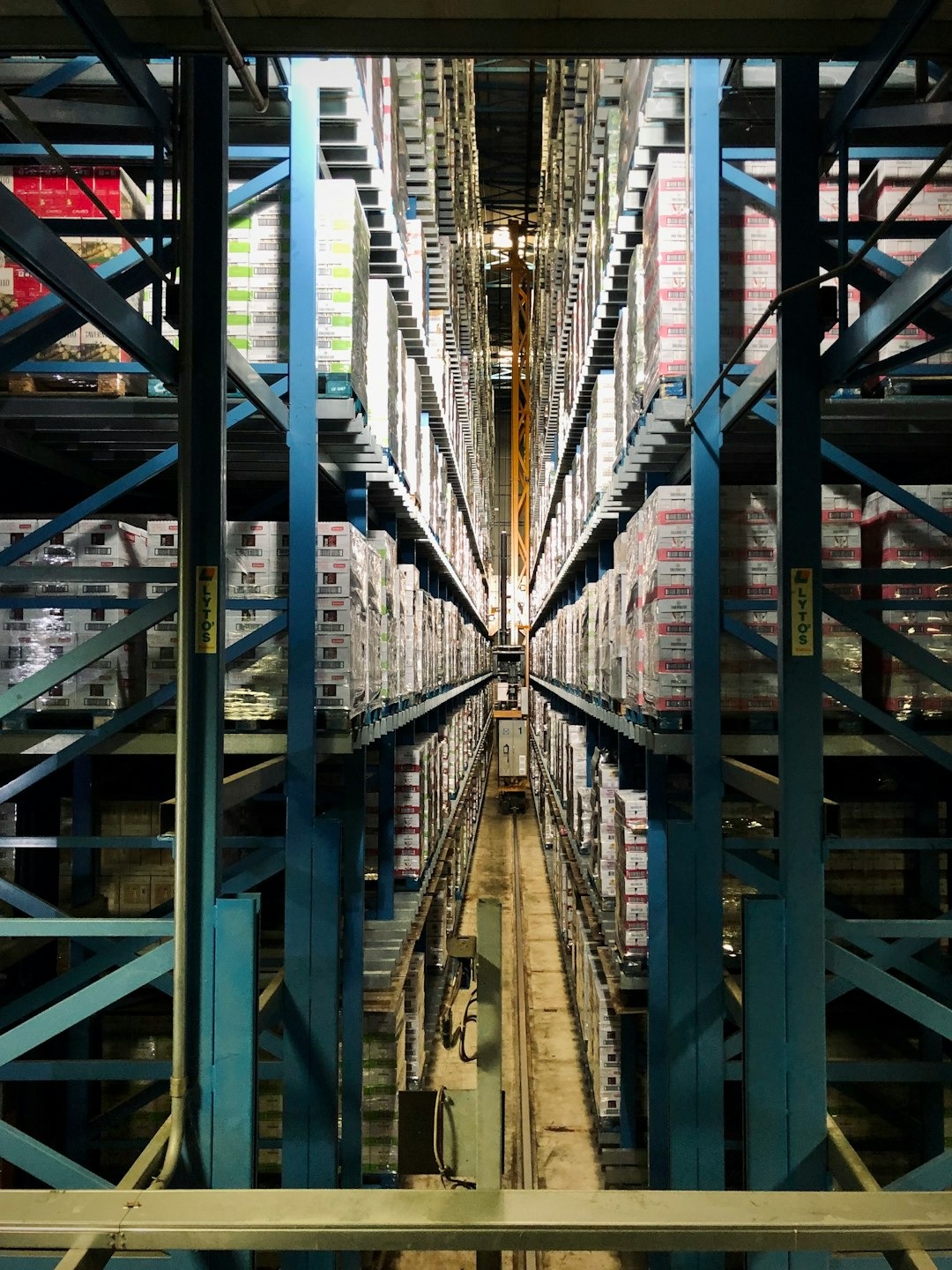
The Dawn of the Autonomous Warehouse
The global logistics and supply chain industry is undergoing a paradigm shift, driven by warehouse automation. As demand for faster deliveries, cost efficiency, and accuracy surges, businesses are leveraging AI, robotics, IoT, and data analytics to transform warehouse operations.
📌 Why does warehouse automation matter?
✅ E-commerce is booming – By 2030, global online retail sales are projected to exceed $7 trillion.
✅ Labor shortages – Companies are struggling to find skilled workers.
✅ Efficiency gains – Automated warehouses process orders three times faster than manual operations.
✅ Error reduction – AI-driven picking systems reduce fulfillment errors by 70%.
Leading players like Amazon, Walmart, and DHL are investing heavily in robotic automation, AI-driven inventory tracking, and autonomous supply chain management. But how exactly is automation shaping the future of logistics?
Let’s dive into the technologies, trends, and impact shaping the future of warehouse automation.
Key Technologies Driving Warehouse Automation
1. AI-Powered Robotics and Cobots
Robotics is at the heart of warehouse automation, with autonomous mobile robots (AMRs) and collaborative robots (cobots) taking over tasks such as:
🚀 Picking & Packing: AI-driven robots identify, retrieve, and pack items with millimeter precision.
🚀 Sorting & Transport: AMRs navigate warehouses autonomously, reducing manual labor.
🚀 Last-Mile Logistics: Drone and robot deliveries are reshaping e-commerce fulfillment.
🔗 Example: Amazon’s Kiva Robots cut fulfillment costs by 40%, significantly accelerating shipping speeds.
👉 Read more about Amazon’s warehouse robotics
2. IoT-Enabled Smart Warehouses
The Internet of Things (IoT) is redefining warehouse intelligence. Real-time tracking sensors, RFID tags, and predictive analytics enhance:
📦 Inventory Visibility: Sensors track product movement in real time.
⚡ Energy Efficiency: Smart grids optimize warehouse energy usage.
📊 Data-Driven Decision Making: AI predicts stock demand, reducing overstocking and shortages.
🔗 Example: DHL’s smart warehouses use IoT-enabled inventory tracking to optimize delivery routes, cutting transportation costs by 25%.
👉 Explore how IoT is reshaping logistics
3. AI & Machine Learning for Predictive Logistics
AI is enhancing forecasting accuracy by analyzing historical trends, real-time demand fluctuations, and supply chain bottlenecks. Key applications include:
🔮 Demand Prediction: AI models anticipate inventory needs before shortages occur.
📦 Automated Order Fulfillment: Smart algorithms assign robots to optimize picking routes.
⏳ Predictive Maintenance: AI forecasts equipment failures, preventing costly downtime.
🔗 Example: Walmart uses AI-powered demand forecasting, reducing excess inventory by 30% while maintaining 98% stock availability.
👉 Learn how AI is transforming supply chains
4. Autonomous Vehicles & Drone Deliveries
Self-driving trucks and delivery drones are revolutionizing last-mile logistics, reducing delays and operational costs.
🚚 Autonomous Trucks: Companies like Tesla and Waymo are testing self-driving freight trucks to cut delivery times.
🚁 Drone Deliveries: Amazon’s Prime Air aims to deliver packages within 30 minutes using drones.
🔗 Example: UPS’s Flight Forward program is FAA-approved for drone-based medical deliveries, reducing delivery times by 50%.
👉 Read about UPS’s drone delivery advancements
Challenges in Warehouse Automation
Despite its promise, warehouse automation comes with challenges:
1. High Initial Investment 💰
🚧 Problem: AI, robotics, and IoT infrastructure require massive capital.
✅ Solution: Cloud-based automation and leasing options are reducing upfront costs.
2. Workforce Adaptation & Job Displacement 👷♂️
🚧 Problem: Automation is replacing traditional warehouse jobs.
✅ Solution: Companies are reskilling workers for tech-driven roles.
3. Cybersecurity Threats 🔐
🚧 Problem: IoT-enabled warehouses are vulnerable to cyberattacks.
✅ Solution: Blockchain and zero-trust security models are enhancing data protection.
🔗 Read about cybersecurity in smart warehouses
Case Studies: Companies Leading Warehouse Automation
🏆 Amazon: The Global Automation Giant
✅ Uses 500,000+ AI-powered robots for order fulfillment.
✅ Invests in fully autonomous drone deliveries.
✅ Reduces operational costs by 30% through AI-driven inventory management.
🔗 See how Amazon is shaping warehouse automation
🚀 Ocado: AI-Driven Grocery Warehouses
✅ Uses robotic picking arms to fulfill 65,000 orders per week.
✅ AI predicts demand, reducing food waste by 20%.
✅ Implements real-time IoT monitoring for stock tracking.
🔗 Explore Ocado’s robotic warehouse solutions
Future of Warehouse Automation: What’s Next?
The next decade will see greater AI integration, robotics evolution, and 5G-powered logistics. Key trends include:
🌎 Hyper-Automated Smart Warehouses – AI-driven fulfillment centers will be fully autonomous.
📡 Blockchain-Backed Security – Supply chains will leverage blockchain for fraud-proof tracking.
🚀 AI-Powered Sustainability – Green automation solutions will reduce warehouse emissions by 40%.
🔗 Read more about the future of logistics automation
Lastly, are We Ready for the Autonomous Warehouse?
Warehouse automation is no longer a futuristic vision—it’s happening now.
✅ AI, robotics, IoT, and autonomous vehicles are reshaping supply chains.
✅ Companies like Amazon, Walmart, and Ocado are setting the pace for AI-driven logistics.
✅ Challenges exist, but solutions like reskilling workers and cybersecurity enhancements are bridging the gap.
The question is no longer “if” warehouses will be automated—but “how fast” companies can adapt. Are you ready for the warehouse revolution?
📢 What are your thoughts on warehouse automation? Let’s discuss in the comments below!


Leave a Reply