
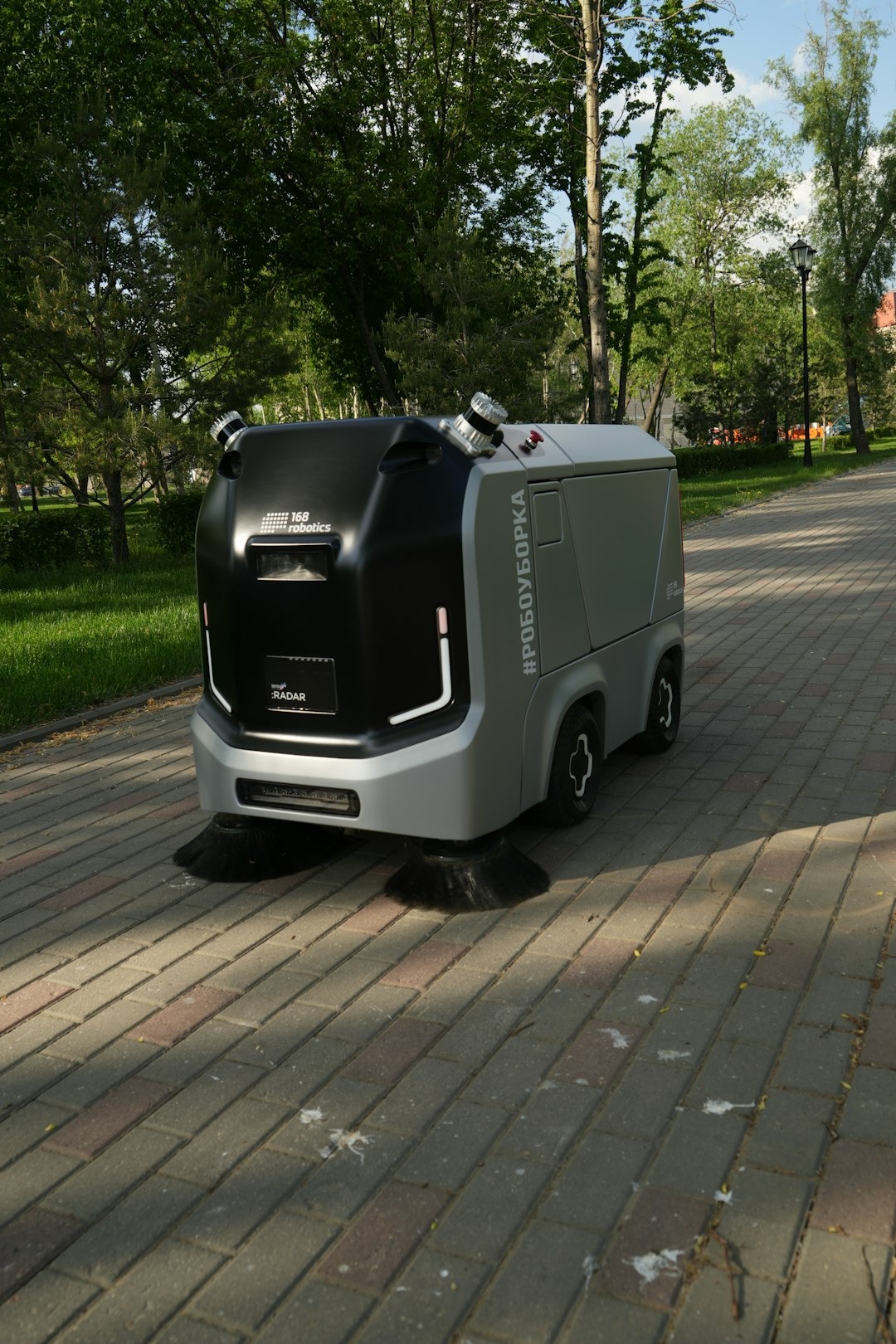
Dive into the world of autonomous agents—AI-powered decision-making bots revolutionizing industries with real-time intelligence and automated processes.
Autonomous agents, also known as AI-powered decision-making bots, are transforming how businesses operate by performing complex tasks without human intervention. These intelligent systems use machine learning, natural language processing, and real-time data to make decisions, adapt to changing conditions, and improve efficiency.
In this blog, we’ll explore how autonomous agents work, their applications across industries, and the challenges they pose for businesses.
What Are Autonomous Agents?
Autonomous agents are self-governing systems that make decisions and execute tasks based on predefined rules or AI models. Unlike traditional bots that follow strict programming, these agents learn and adapt over time, enabling them to handle dynamic and unpredictable environments.
Key Features of Autonomous Agents
- Decision-Making: Ability to evaluate multiple options and choose the best course of action.
- Adaptability: Learn from new data and adjust to changing conditions.
- Autonomy: Operate independently with minimal human intervention.
🔗 Read more about AI decision-making systems.
How Autonomous Agents Work
Autonomous agents rely on a combination of AI technologies, including:
- Machine Learning: For predictive analytics and pattern recognition.
- Natural Language Processing (NLP): To understand and generate human-like responses.
- Reinforcement Learning: To improve decision-making through trial and error.
These bots interact with their environment, gather data, and take actions that maximize their performance based on defined objectives.
🔗 Discover the science behind autonomous bots.
Applications of Autonomous Agents
1. Customer Support
Autonomous agents like AI chatbots handle customer inquiries, providing 24/7 support with quick, accurate responses.
- Example: Platforms like Zendesk AI assist customers with personalized solutions in real time.
🔗 Learn more about AI in customer service.
2. Healthcare
Autonomous agents streamline administrative tasks like appointment scheduling and billing while supporting diagnostics and treatment plans.
- Example: IBM’s Watson Assistant aids healthcare professionals by analyzing patient data for faster decision-making.
3. Supply Chain Management
In logistics, AI-powered agents optimize inventory, manage warehouse operations, and predict demand.
- Example: Autonomous bots monitor supply chain disruptions and reroute deliveries in real time.
🔗 Explore AI in supply chain management.
4. Gaming
In video games, AI agents create more immersive experiences by adapting to player behavior and enhancing game difficulty dynamically.
Benefits of Autonomous Agents
- Enhanced Efficiency: Automates repetitive tasks, freeing up time for strategic work.
- Cost Savings: Reduces labor costs by replacing manual processes with intelligent automation.
- Improved Decision-Making: Leverages data to make faster and more accurate decisions.
- Scalability: Handles increasing workloads without compromising performance.
Challenges of Implementing Autonomous Agents
1. Ethical Concerns
The autonomy of decision-making bots raises questions about accountability and bias.
🔗 Explore AI ethics and accountability.
2. Security Risks
As autonomous agents rely on data, they are vulnerable to cyberattacks and data breaches.
3. High Development Costs
Building and training AI-powered bots require significant investment in resources and expertise.
Future of Autonomous Agents
Moreso, AI technologies continue to evolve, autonomous agents are expected to play a more significant role across industries. From enhancing personalized experiences to driving innovation in robotics, thus, these systems are paving the way for a smarter and more connected world.
However, businesses must address ethical, security, and operational challenges to fully harness the potential of autonomous agents.
Autonomous agents represent the next frontier in AI-powered decision-making. Their ability to operate independently, learn from data, and adapt to changing environments makes them invaluable assets for modern businesses.
Furthermore, leveraging autonomous agents, organizations can improve efficiency, cut costs, and deliver better customer experiences. However, it’s crucial to balance innovation with ethical considerations and data security to ensure sustainable growth.
🔗 Check out AI-powered business tools. Learn more about AI decision-making systems, Also, discover the science behind autonomous bots.
Read More


Leave a Reply