
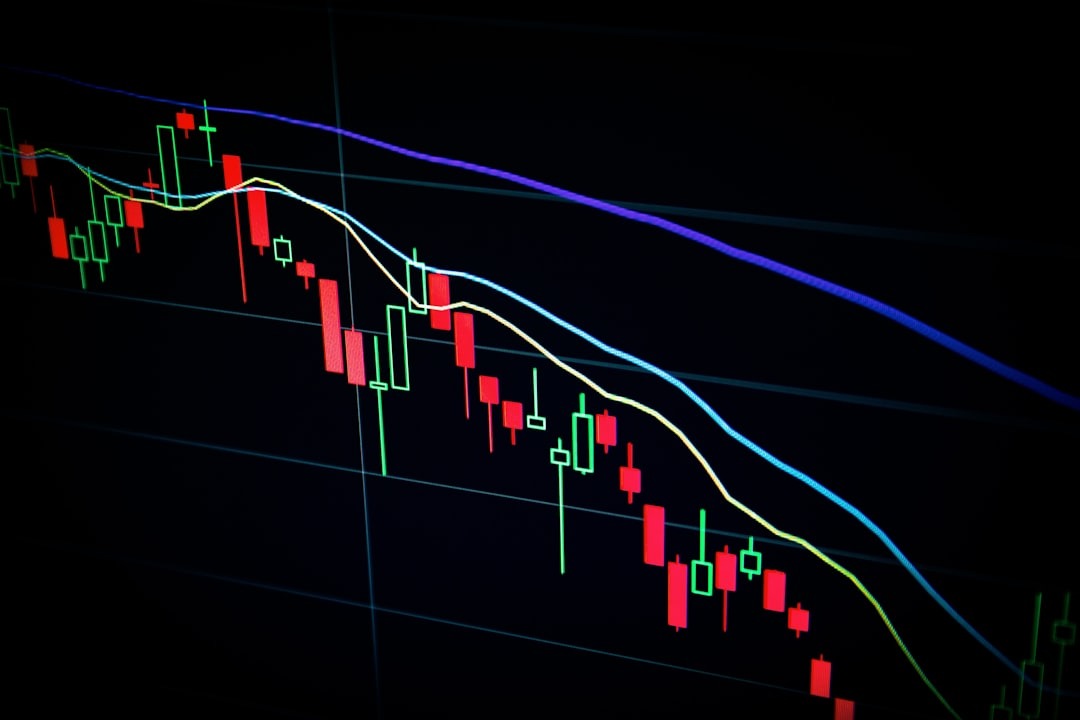
Cryptocurrency has quickly become one of the most talked-about investment opportunities in recent years. With its rapid rise in popularity and the potential for significant returns, many people are looking to get involved in the space. However, if you’re new to the world of digital assets, the idea of investing in cryptocurrency can feel overwhelming.
In this guide, we’ll break down the steps to get started with cryptocurrency investing, offer insights into different types of digital assets, and provide tips on how to protect your investments.
1. Understand What Cryptocurrency Is
Before jumping into cryptocurrency investing, it’s essential to understand what it is. In simple terms, cryptocurrency is a form of digital or virtual currency that uses cryptography for security. Unlike traditional currencies issued by governments (like the dollar or euro), cryptocurrencies operate on decentralized networks built on blockchain technology.
The most well-known cryptocurrency is Bitcoin (BTC), but there are thousands of other digital assets available, including Ethereum (ETH), Binance Coin (BNB), Cardano (ADA), and Solana (SOL).
Understanding how blockchain works and the key features of cryptocurrencies (decentralization, transparency, and security) will help you make more informed decisions when selecting which cryptocurrencies to invest in.
2. Choose the Right Cryptocurrency Exchange
To start investing in cryptocurrencies, you need to choose a cryptocurrency exchange where you can buy, sell, and store your digital assets. These platforms act as intermediaries that facilitate the trading of cryptocurrencies.
Some of the most popular cryptocurrency exchanges include:
- Coinbase: Great for beginners with an easy-to-use interface and a wide selection of cryptocurrencies.
- Binance: Known for low fees and a wide range of cryptocurrencies, but it can be overwhelming for beginners.
- Kraken: Offers a robust selection of coins and strong security features.
- Gemini: Focuses on regulatory compliance and user protection, making it a trustworthy choice for new investors. Read More
Things to Look For in an Exchange:
- Security: Ensure the exchange uses strong security protocols like two-factor authentication (2FA) and cold storage for assets.
- Fees: Different exchanges charge different fees for trading and withdrawing assets. Be sure to check the fee structure.
- Ease of Use: Choose a platform with an intuitive interface, especially if you’re a beginner.
- Selection of Cryptocurrencies: Consider the number and variety of coins available to trade.
3. Set Up a Secure Wallet
Once you’ve chosen your exchange, it’s crucial to set up a cryptocurrency wallet. A wallet is where you store your digital assets securely.
There are two main types of wallets:
- Hot Wallets (Software Wallets): These are connected to the internet and are easy to access and use. Examples include MetaMask and Trust Wallet. While convenient, they are more vulnerable to hacking.
- Cold Wallets (Hardware Wallets): These are physical devices like the Ledger Nano S or Trezor that store your assets offline, making them far more secure. Cold wallets are ideal for long-term storage and are the safest way to keep your cryptocurrency safe from online threats.
If you’re a beginner, starting with a hot wallet on the exchange may be sufficient. However, as you accumulate more assets, moving them to a cold wallet is a good practice.
4. Diversify Your Investments
Just like traditional investing, diversification is a key strategy in cryptocurrency investing. Rather than investing all your funds in a single cryptocurrency, it’s a good idea to spread your investments across different assets to reduce risk.
For example, you might allocate a portion of your funds to Bitcoin, another portion to Ethereum, and then some to other altcoins like Polkadot (DOT), Cardano (ADA), or Chainlink (LINK).
By diversifying your portfolio, you can better manage risk while also positioning yourself to benefit from the growth of various blockchain projects.
5. Understand the Risks Involved
Cryptocurrency investing can be highly volatile. Prices can fluctuate dramatically in short periods, leading to significant gains or losses. It’s important to only invest money you can afford to lose and to be prepared for market swings.
Here are some risks to keep in mind:
- Market Volatility: Cryptocurrencies are known for their price volatility. While this can result in high returns, it also means the risk of losses is significant.
- Regulatory Uncertainty: Cryptocurrency regulations are still evolving globally, and changes in the legal landscape could impact the market.
- Security Risks: While cryptocurrencies are secure, exchanges and wallets can be hacked. It’s essential to use security features like two-factor authentication (2FA) and cold wallets for long-term storage.
- Lack of Consumer Protection: Unlike traditional investments, cryptocurrencies are not insured or regulated by financial authorities, meaning you may have fewer protections if things go wrong.
6. Keep Up with Market Trends
The world of cryptocurrency is constantly evolving. New technologies, platforms, and coins are emerging regularly, and keeping up with the latest developments is essential for making informed investment decisions.
How to stay informed?:
- Follow Industry News: Websites like CoinDesk, CoinTelegraph, and The Block provide daily updates on cryptocurrency news and trends.
- Join Online Communities: Platforms like Reddit and Twitter have active cryptocurrency communities where investors share insights and news.
- Use Crypto Trackers: Apps like Blockfolio and CoinMarketCap allow you to track the performance of your investments in real-time.
Staying updated will help you understand market shifts and make timely decisions.
7. Consider Dollar-Cost Averaging (DCA)
Dollar-Cost Averaging (DCA) is a popular investment strategy where you invest a fixed amount of money at regular intervals, regardless of the asset’s price. This strategy helps you avoid the pitfalls of trying to time the market and can reduce the impact of market volatility on your investments.
For example, instead of investing a large sum all at once, you might invest $500 in Bitcoin every month. This method helps you build your position gradually while minimizing the risk of buying at a peak price.
8. Monitor and Review Your Investments Regularly
Once you’ve made your investments, it’s important to regularly monitor your portfolio and stay informed about changes in the market. Cryptocurrencies can experience drastic price changes, so keeping track of your investments will help you make timely decisions when buying or selling.
It’s also a good idea to periodically reassess your strategy. As you gain experience and understand the market better, you may want to adjust your portfolio to align with your goals and risk tolerance.
Conclusion: Start Your Cryptocurrency Investment Journey
Investing in cryptocurrency can be exciting and profitable, but it’s important to approach it with caution and a well-thought-out strategy. By understanding the fundamentals, choosing the right exchange, diversifying your portfolio, and staying informed about market trends, you can position yourself for success in the world of digital assets.
Remember, while the potential rewards are high, the risks are also significant. So, take your time, do your research, and start small. Cryptocurrency investing is a long-term game, and with the right approach, you can navigate the volatility and unlock new opportunities in the digital economy.
Related Articles
🔗 How to Secure Your Cryptocurrency Investments
🔗 The Future of Blockchain Technology
🔗 Top Cryptocurrency Exchanges in 2025
Leave a Reply