
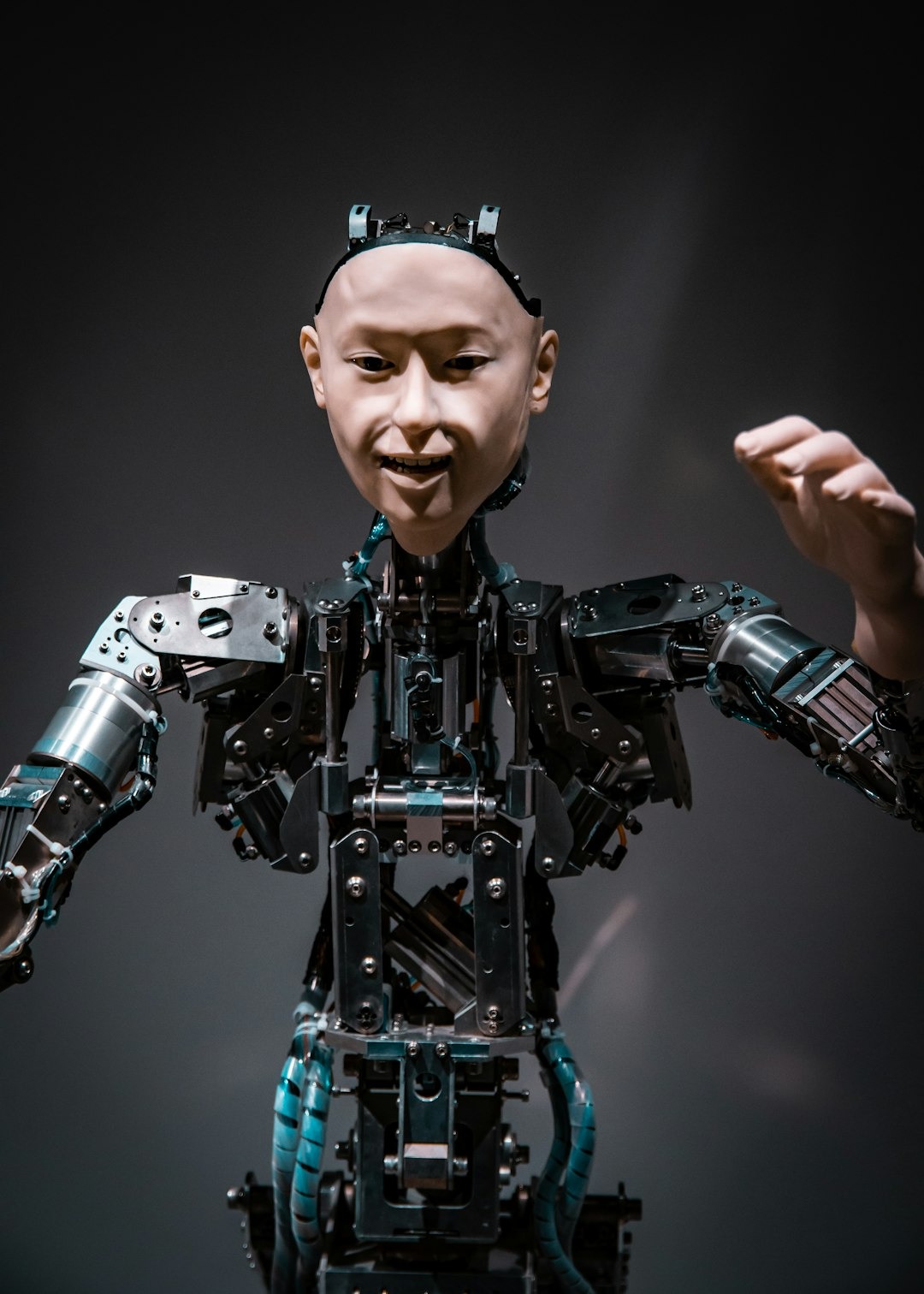
Introduction: The AI-Creativity Debate
Artificial intelligence (AI) has revolutionized various industries, from automating mundane tasks to generating creative art, music, and even literature. However, as AI tools like ChatGPT, MidJourney, and DALL·E become more sophisticated, a critical question arises:
Is AI enhancing human creativity or diluting it?
Although, Some argue that AI empowers artists, writers, and musicians by automating repetitive tasks, allowing them to focus on deeper creative pursuits. Others fear that AI is diminishing originality, producing formulaic content, and reducing the need for human input.
However, let’s explore whether AI is a tool for creative expansion or a force that erodes artistic ingenuity.
1. How AI is Influencing Creativity
AI is transforming creative fields by:
🎨 Generating Art & Design: AI tools like DALL·E and MidJourney create stunning images in seconds.
✍️ Writing Content: AI models like ChatGPT and Jasper assist in blog writing, poetry, and storytelling.
🎵 Composing Music: AI platforms like Amper Music and AIVA generate music for films and commercials.
🎮 Developing Games: AI assists in game level design and story generation.
🚀 Example: AI-generated art has even won awards, such as Jason Allen’s AI-assisted piece that took first place at the Colorado State Fair’s digital art competition.
🔗 Read more about AI’s role in art competitions
While these advancements are impressive, they also raise concerns about authenticity and the role of human creativity.
2. AI as a Creative Assistant, Not a Replacement
AI is not inherently creative—it analyzes patterns and generates content based on pre-existing data. Unlike humans, it lacks emotion, lived experiences, and original thought.
🔍 What AI does well:
✅ Speeds up brainstorming and idea generation.
✅ Automates repetitive creative tasks.
✅ Provides inspiration for artists, writers, and designers.
🚫 What AI lacks:
❌ True originality and personal storytelling.
❌ Emotional depth and subjective interpretation.
❌ Human intuition and unpredictable innovation.
🎭 Example: While AI can generate a script, it cannot replace the emotional nuance of a human writer crafting a story based on personal experiences.
🔗 Explore how AI assists, rather than replaces, human creativity
3. The Risk of AI-Induced Creative Homogenization
One of the biggest concerns is AI-generated content becoming formulaic. Since AI learns from existing datasets, it tends to produce derivative works rather than truly original creations.
💡 Potential risks of AI in creativity:
⚠️ Overreliance on AI: Artists and writers may become dependent on AI tools, leading to creative stagnation.
⚠️ Loss of uniqueness: AI-generated content often lacks a distinct personal touch, making works feel bland or repetitive.
⚠️ Commodification of creativity: AI lowers the barrier to content creation, flooding the market with low-effort AI-generated works.
📉 Example: Stock image sites are being overwhelmed with AI-generated art, causing artists to struggle with visibility and originality.
🔗 Read about AI’s impact on creative industries
4. AI as a Muse: How Humans Can Retain Creative Control
Rather than viewing AI as a threat, creatives can harness it as a tool for inspiration. Furthermore, The key lies in human oversight and hybrid creativity, where AI assists but does not dictate artistic expression.
🛠 How to use AI without losing creativity:
🔹 Use AI for brainstorming, not final output – Let AI generate ideas, but refine them with human insight.
🔹 Inject personal experiences – AI lacks emotions; infuse your work with personal perspectives.
🔹 Curate AI-generated content – Edit and tweak AI suggestions to maintain originality.
🔹 Push creative boundaries – AI-generated work can spark new ideas, but human imagination should drive the process.
🎨 Example: Many artists use AI as a starting point, but paint over AI-generated images to add their unique flair.
🔗 Discover how creatives blend AI with human artistry
5. The Future: AI and Human Creativity Can Coexist
Rather than replacing human creativity, AI can serve as a collaborative partner. The future of creativity lies in co-creation, where humans and AI work together to push artistic boundaries.
🌟 Predictions for AI in creativity:
🔮 AI as a personal creative assistant – Assisting in editing, color correction, and design enhancements.
🔮 Ethical AI regulations – Protecting human artists from AI plagiarism and ensuring fair compensation.
🔮 AI-human creative symbiosis – AI handling repetitive tasks while humans focus on conceptual storytelling and originality.
🔗 Read about how AI is reshaping the creative process
Also,
🔗 Read about how AI is advancing software development
Lastly, AI is a Tool, Not a Threat
While AI is undeniably transforming creative industries, it is not a substitute for human ingenuity. Rather than fearing AI, creatives can embrace it as a powerful tool to:
✅ Enhance productivity by automating repetitive tasks.
✅ Spark new ideas through AI-generated inspiration.
✅ Maintain originality by injecting personal experiences into AI-assisted work.
Creativity thrives on human imagination, emotions, and lived experiences—things AI can never truly replicate.
The challenge is not whether AI will replace human creativity, but rather how humans will wield AI to push creative boundaries further.
💡 What do you think? Is AI enhancing or washing down our creative prowess? Drop your thoughts in the comments!


Leave a Reply