
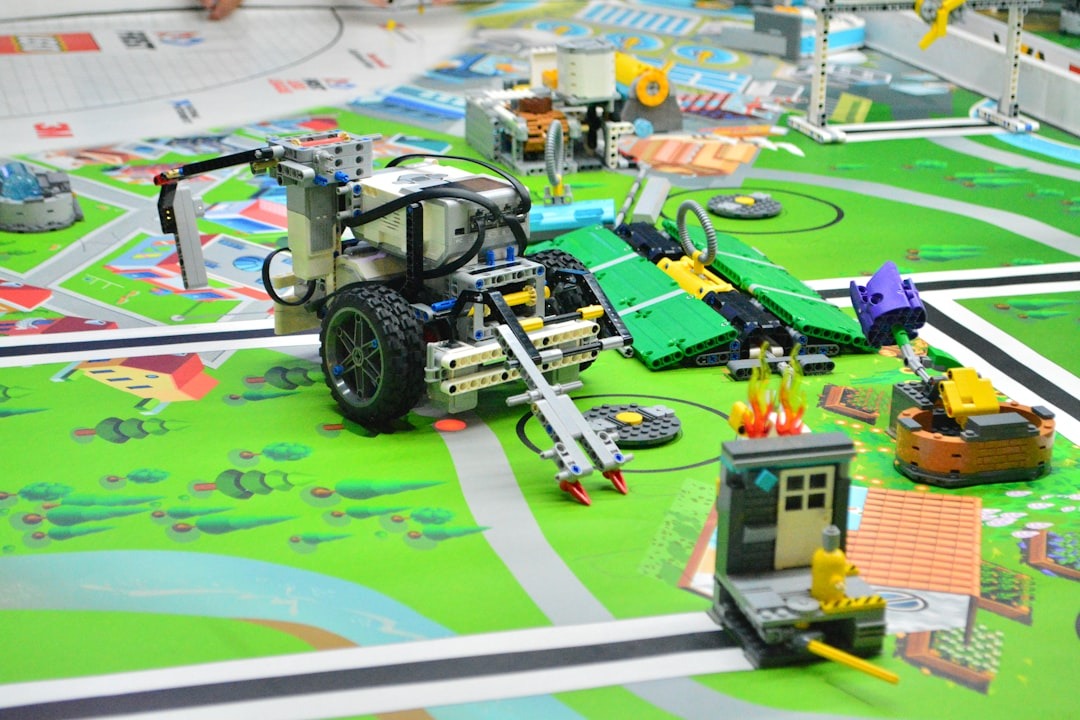
Last-mile delivery logistics is one of the most challenging and expensive aspects of the supply chain. As e-commerce continues to grow, businesses face mounting pressure to deliver packages faster and cheaper. Enter robotics—a game-changer in last-mile delivery. From autonomous vehicles to delivery drones, robots are optimising delivery processes, reducing costs, and meeting consumer demands.
Why Last-Mile Delivery Matters
Last-mile delivery accounts for nearly 53% of the total shipping cost, making it a critical area for improvement. Traditional delivery methods are often inefficient, leading to delays, high fuel consumption, and missed deliveries. Robotics is tackling these challenges head-on by offering innovative solutions.
Applications of Robotics in Last-Mile Delivery
1. Autonomous Delivery Vehicles
Self-driving delivery robots and vehicles are reducing dependence on human drivers. These robots can navigate urban environments, deliver packages, and return to distribution hubs without human intervention.
Benefits:
- Cost Savings: Fewer drivers mean lower labour costs.
- Efficiency: Robots can operate 24/7, ensuring on-time deliveries.
- Sustainability: Electric delivery robots produce lower emissions compared to traditional vehicles.
Example: Companies like Nuro are deploying autonomous vehicles for grocery and parcel delivery in several U.S. cities.
2. Delivery Drones
Drones are revolutionising last-mile logistics, especially in areas with difficult terrain. These flying robots can bypass traffic and deliver packages directly to customers’ doorsteps.
How They Help:
- Faster delivery in congested urban areas.
- Reliable delivery in rural or remote regions.
- Reduced transportation costs for lightweight packages.
Example: Amazon Prime Air is pioneering drone delivery to achieve faster delivery times and minimise environmental impact.
3. Warehouse Robotics for Last-Mile Prep
Before packages hit the road or sky, warehouse robots play a crucial role. These robots sort, pack, and prepare orders for delivery, speeding up the process and minimising errors.
Example: Boston Dynamics developed robots like Stretch to automate warehouse tasks, ensuring last-mile deliveries are ready faster.
Benefits of Robotics in Last-Mile Delivery
1. Reduced Costs
Robots lower the need for human labour, cutting operational costs significantly.
2. Improved Efficiency
Automation reduces delays caused by traffic, human error, and inefficiencies in delivery routes.
3. Enhanced Customer Experience
Faster and more accurate deliveries lead to happier customers.
4. Sustainability
Electric-powered delivery robots and drones contribute to lower emissions, aligning with global sustainability goals.
Challenges Facing Robotics in Last-Mile Delivery
Despite their potential, robotic solutions face several challenges:
- Regulatory Hurdles: Many regions have strict laws governing the use of autonomous vehicles and drones.
- High Initial Investment: While cost-effective in the long term, the initial setup for robotics can be expensive.
- Infrastructure Limitations: Cities need infrastructure like drone landing zones and robot-friendly pathways.
- Security Concerns: Robots carrying valuable packages may become targets for theft or vandalism.
Future Outlook
The future of robotics in last-mile delivery looks promising. As technology advances and regulatory frameworks evolve, we can expect widespread adoption. Robotics will likely become a standard in e-commerce and logistics, driving efficiency and sustainability in delivery systems.
Emerging trends include:
- Collaborative Robots (Cobots): Robots working alongside human delivery drivers.
- AI-Powered Routing: Smart robots using AI to determine the fastest, most efficient routes.
- Expanded Use Cases: Beyond packages, robots may soon deliver groceries, prescriptions, and even meals.
Robotics is reshaping last-mile delivery logistics, offering innovative solutions to long-standing challenges. From autonomous vehicles to drones, these technologies improve efficiency, reduce costs, and deliver a superior customer experience. While challenges like regulation and high investment persist, the long-term benefits far outweigh the drawbacks.
As more companies adopt robotic delivery systems, the future of logistics will be faster, smarter, and greener.
Internal Links:
- Discover how AI is transforming logistics in our comprehensive guide.
- Learn about autonomous vehicles and their applications here.
Check out related contents:
#AI #Data #Robotic #Cobots #Logistic #Digital #Transformation


Leave a Reply