
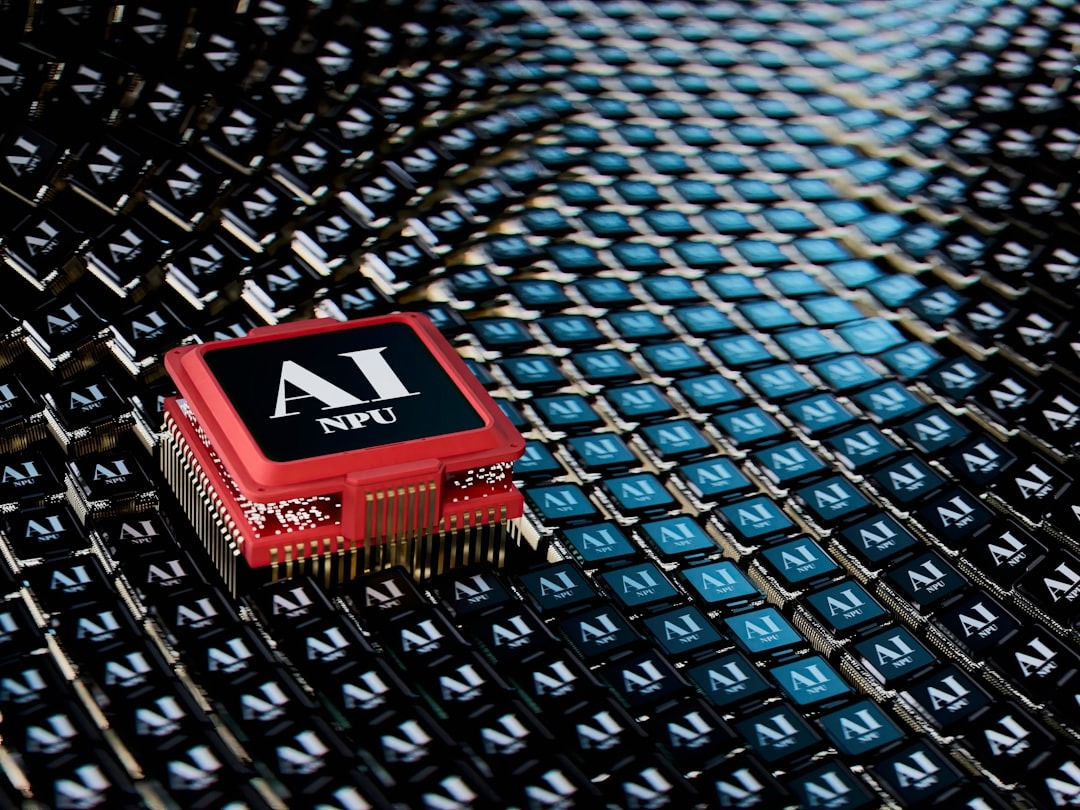
The convergence of artificial intelligence (AI) and quantum computing is paving the way for breakthroughs once thought impossible. As AI continues to revolutionize industries, quantum computing adds another layer of computational power that could redefine problem-solving in fields like cryptography, drug discovery, and financial modeling.
The Intersection of Quantum Computing and AI
AI and quantum computing are two of the most transformative technologies of our time. While AI excels at pattern recognition and decision-making, quantum computing leverages quantum mechanics to perform complex calculations at unprecedented speeds. When combined, these technologies create Quantum AI, a field that has the potential to accelerate advancements in various industries.
According to IBM, quantum systems can process information exponentially faster than classical computers, which makes them ideal for training AI models on massive datasets. Furthermore, companies like Google and Microsoft are investing heavily in quantum AI research.
Real-World Applications of Quantum AI
1. Drug Discovery and Healthcare
Pharmaceutical companies rely on AI to analyze molecular structures and develop new drugs. However, traditional computing has limitations when simulating molecular interactions. Quantum AI can dramatically speed up drug discovery by simulating complex molecular behaviors that would take classical computers decades to compute. MIT Technology Review suggests that quantum AI could revolutionize personalized medicine and genetic research.
2. Cybersecurity and Cryptography
Quantum computing poses both a threat and an opportunity for cybersecurity. Traditional encryption methods could become obsolete as quantum computers break them with ease. However, AI-driven quantum cryptography could create new, unbreakable encryption standards. NIST is already exploring quantum-resistant cryptographic solutions to secure future communications.
3. Financial Modeling and Risk Analysis
Banks and financial institutions use AI for risk assessment and fraud detection. Quantum AI can take this further by running complex financial simulations, optimizing investment portfolios, and predicting market fluctuations with greater accuracy. JP Morgan has already begun integrating quantum computing into its financial models.
Challenges in Quantum AI Development
Despite its promise, Quantum AI is still in its early stages, and several challenges must be addressed:
- Hardware Limitations: Quantum computers require extreme conditions, such as ultra-cold temperatures, to function properly.
- Algorithm Development: Existing AI algorithms need to be restructured for quantum computing.
- High Costs: Quantum hardware is expensive, limiting accessibility for smaller organizations.
However, as research progresses, these obstacles are gradually being overcome. Companies like D-Wave and Rigetti Computing are making strides in making quantum computing more accessible to businesses.
The Future of Quantum AI
Experts predict that Quantum AI will become mainstream within the next decade. As quantum hardware improves and AI algorithms evolve, industries ranging from healthcare and finance to logistics and manufacturing will benefit from its unprecedented capabilities.
For those looking to stay ahead, investing in quantum AI knowledge is essential. Many universities and tech firms now offer specialized courses on Quantum Machine Learning, a field that will define the next era of innovation.
Conclusion
Quantum AI is more than just a futuristic concept; it’s already shaping the way we approach computation, security, and problem-solving. As tech giants continue to push boundaries, businesses and researchers must prepare for the quantum revolution.
For more insights on AI advancements, check out our article on The Rise of AI in Supply Chain Management. To understand how AI is transforming cybersecurity, read our guide on AI in Cyber Threat Detection.


Leave a Reply