
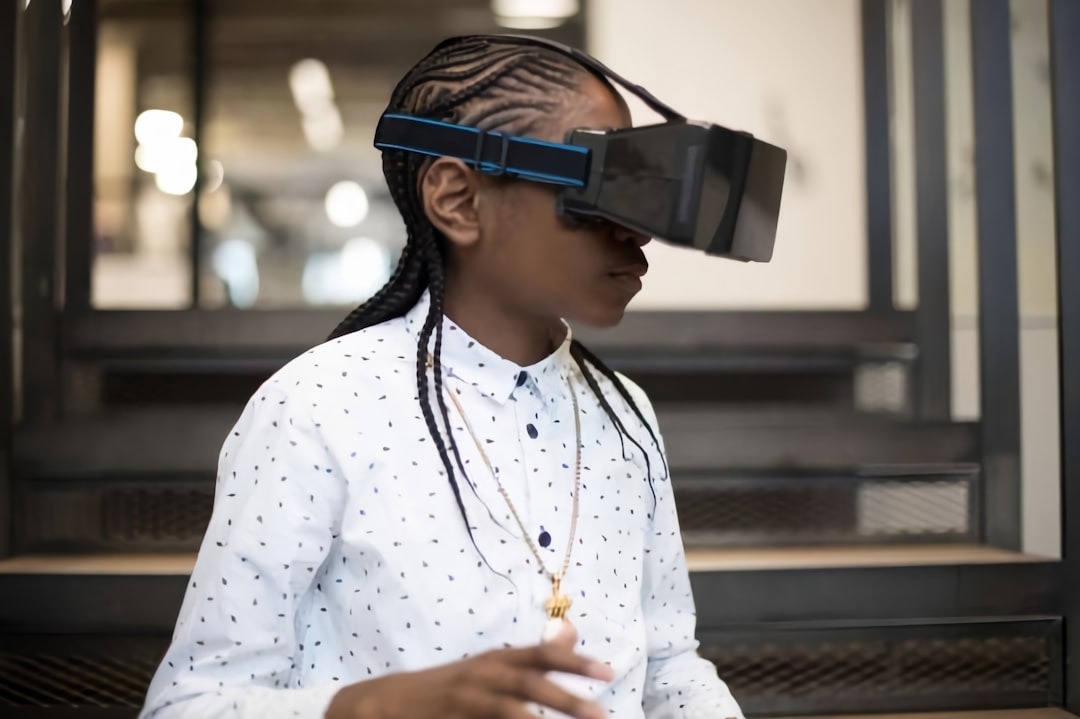
The metaverse is redefining digital ownership by enabling users to own, trade, and monetize virtual assets like real estate, avatars, collectibles, and fashion. Unlike traditional digital platforms where assets are controlled by centralized corporations, the metaverse—powered by blockchain technology and NFTs—ensures users have true ownership rights over their virtual possessions.
But how does digital ownership in the metaverse work? And what industries are being disrupted by this transformation?
In this article, we’ll cover:
✅ How blockchain enables secure digital ownership
✅ The role of NFTs in asset authentication
✅ Key industries revolutionized by the metaverse
✅ Challenges and risks of owning digital assets
✅ The future of decentralized ownership
Firstly!
What is Digital Ownership in the Metaverse?
In Web2, digital assets—such as in-game items, social media content, and cloud-stored files—are owned by platforms, not users. If a platform shuts down or bans an account, the user loses access to all their content.
However, in the Web3-powered metaverse, digital ownership is secured using blockchain and NFTs. This means:
✔ True asset ownership recorded on a decentralized ledger
✔ Interoperability, allowing assets to be used across platforms
✔ Smart contracts for secure, trustless transactions
✔ Monetization opportunities for creators and investors
👉 Learn more about how blockchain secures digital assets
Now, let’s break down how this works in practice.
How the Metaverse Enables Secure Digital Ownership
1. Blockchain-Powered Security
🔗 Problem: Traditional digital assets can be deleted or restricted by centralized authorities.
💡 Solution: The metaverse records ownership on a blockchain, making it tamper-proof and permanent.
🛠 Example: Buying virtual land in Decentraland means your ownership is verified on Ethereum’s blockchain, ensuring no one can erase or modify it.
👉 Explore Decentraland’s virtual land marketplace
2. NFTs as Proof of Ownership
🖼 Problem: Digital items like in-game skins or music files can be easily duplicated.
💡 Solution: NFTs provide a unique, verifiable certificate of ownership, preventing fraud.
🛠 Example: A digital painting minted as an NFT can be resold on OpenSea, and the original creator gets paid royalties automatically.
👉 Check out OpenSea’s NFT marketplace
3. Cross-Platform Interoperability
🌍 Problem: In traditional gaming, digital assets are locked to a single game.
💡 Solution: Metaverse assets can be used across multiple platforms, thanks to blockchain.
🛠 Example: A custom avatar NFT bought in The Sandbox could also be used in VRChat or Decentraland.
4. Smart Contracts for Transparent Transactions
⚖ Problem: Digital transactions often rely on centralized third parties.
💡 Solution: Smart contracts allow instant, secure peer-to-peer transactions.
🛠 Example: Virtual land purchases in The Sandbox are handled through automated smart contracts, ensuring instant ownership transfer.
👉 Read about how smart contracts work
Industries Being Transformed by Metaverse Digital Ownership
1. Gaming & Virtual Goods
🎮 Gamers are now investing in digital assets they can trade, sell, or use across multiple games.
🛠 Example: In Axie Infinity, players buy, breed, and battle NFT-based creatures to earn real-world money.
👉 Discover how play-to-earn gaming is changing the industry
2. Virtual Real Estate & Digital Property
🏠 The metaverse has created a booming virtual real estate market, with investors buying NFT-based land.
🛠 Example: A virtual land parcel in The Sandbox next to Snoop Dogg’s digital mansion was sold for $450,000.
👉 See the latest metaverse real estate trends
3. Fashion & Digital Wearables
👗 Leading brands like Nike, Gucci, and Adidas are selling virtual fashion items for metaverse avatars.
🛠 Example: Nike launched CryptoKicks, a collection of blockchain-verified virtual sneakers.
👉 Learn how digital fashion is shaping the metaverse
4. Digital Art & Collectibles
🎨 Artists can sell their work as NFTs, ensuring they earn royalties on every resale.
🛠 Example: Beeple’s NFT artwork sold for $69 million at Christie’s auction.
👉 Explore how NFTs are transforming the art industry
5. Virtual Workspaces & Identity Tokens
🏢 Companies are setting up virtual offices in the metaverse, and users own decentralized identity tokens for authentication.
🛠 Example: Microsoft is working on virtual workspaces through Mesh for Teams.
👉 See how Microsoft is building the metaverse
Challenges & Risks of Digital Ownership in the Metaverse
Even though metaverse ownership is exciting, there are still some concerns:
⚠ Market Volatility – NFT and metaverse asset prices can fluctuate dramatically.
⚠ Cybersecurity Risks – Hacking, scams, and theft pose serious threats to digital assets.
⚠ Regulatory Uncertainty – Governments are still figuring out digital property laws.
⚠ Platform Dependency – If a metaverse platform fails or shuts down, assets may lose value.
👉 Read more about metaverse security challenges
The Future of Digital Ownership in the Metaverse
🚀 As technology evolves, we can expect:
🔹 Greater mainstream adoption of Web3 and digital assets
🔹 AI-driven virtual experiences that enhance digital property interactions
🔹 Better regulations to protect users from fraud and scams
🔹 More businesses adopting metaverse workspaces and digital commerce
With these advancements, owning digital assets in the metaverse will become as common as owning physical property today.
Are you ready for the next phase of digital ownership?
The metaverse is revolutionizing digital ownership, allowing users to own, trade, and profit from virtual assets. However, challenges like market risks, cybersecurity threats, and legal uncertainties must be addressed before mass adoption.
As Web3 technology grows, true digital ownership will shape the future of online interactions, work, and commerce.
🚀 Whether it’s virtual land, NFTs, or digital identities—ownership in the metaverse is the next frontier!


Leave a Reply